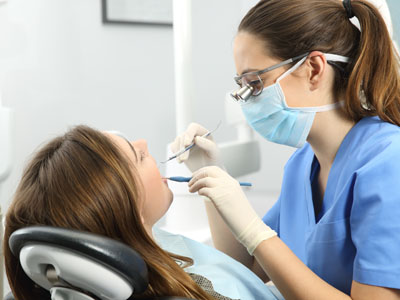
A woman with blonde hair smiling at the camera while sitting in a dental chair during a dental appointment.

Dental Cleanings

Good home hygiene—brushing twice daily and flossing—is the foundation of a healthy smile, but even the most careful routines can miss tight contacts and deposits below the gumline. Regular professional dental cleanings fill those gaps, removing hardened plaque and biological film that can lead to cavities, inflamed gums, and more serious oral health issues over time. This page explains how cleanings work, what you can expect, and why they’re a key part of a long-term preventive plan.

Why routine cleanings are essential for lasting oral health

Dental cleanings target the bacterial buildup that everyday brushing and flossing sometimes leave behind. Plaque that is not fully removed can mineralize into tartar (calculus), which bonds to tooth surfaces and provides a protected environment for bacteria to thrive. A professional cleaning disrupts and removes these deposits, reducing the bacterial load and lowering the risk of both tooth decay and gum disease.

Beyond removing visible deposits, cleanings are an opportunity for clinicians to evaluate gum health and identify early signs of periodontal disease. Detecting inflammation or pocket formation early allows for less invasive interventions and better outcomes. In short, routine cleanings are both a treatment and an early-warning system that helps preserve natural teeth and supporting tissues.

Regularly scheduled cleanings also support overall health. Emerging evidence links oral inflammation to systemic conditions such as cardiovascular disease and diabetes management. While a cleaning alone cannot prevent systemic illness, maintaining a healthy oral environment supports your broader health goals and can reduce chronic inflammatory burden over time.

What happens during your cleaning appointment

A typical professional cleaning begins with a focused assessment of your mouth: the hygienist checks for plaque, tartar, gum inflammation, and areas of sensitivity. This quick evaluation helps guide the approach for that visit and highlights any changes since your last appointment. If radiographs or clinical notes show areas of concern, those spots receive extra attention during the procedure.

The next phase is the removal of plaque and calculus from tooth surfaces and just below the gumline. Hygienists use a combination of manual scalers and ultrasonic instruments to free and dislodge buildup. These instruments are chosen and used with care to be efficient yet gentle, and the clinician will adjust technique to suit your comfort and the specific condition of your teeth and gums.

After scaling, the teeth are smoothed and polished to remove superficial staining and to make the surfaces less hospitable to new plaque formation. The clinician will then floss and may apply fluoride or other preventive agents as indicated. Each appointment ends with a brief review of findings and recommendations so you leave with a clear sense of your oral health status and next steps.

Modern tools and techniques for safe, comfortable cleanings

Contemporary dental practices use a mix of refined instruments and ergonomically designed workflows to make cleanings thorough while minimizing discomfort. Ultrasonic scalers use gentle vibrations and a cooling water spray to break up calculus quickly; they are often paired with hand instruments that allow precise finishing in tight spaces. These combined methods provide effective cleaning while shortening appointment time.

For patients with sensitive teeth or anxious responses, clinicians have several options to enhance comfort. Desensitizing pastes, topical gels, and controlled airflow techniques can reduce sensitivity during and after the cleaning. When required, topical numbing agents or local anesthesia may be used to ensure a comfortable experience for patients with significant sensitivity or complex needs.

In addition to instrument choice, infection control and patient safety are paramount. Disposable barriers, sterilized instruments, and strict hygiene protocols protect both patients and staff. Good clinical technique paired with an attentive team results in a cleaning that is efficient, safe, and tailored to the individual.

How cleanings complement daily home care

Professional cleanings and good at-home habits work together. While a cleaning removes existing deposits and polishes tooth surfaces, daily brushing and flossing slow the re-accumulation of plaque and maintain gum health between visits. Hygienists often provide personalized guidance—adjusting flossing technique, recommending brush types, or suggesting adjuncts like interdental cleaners—based on each patient’s anatomy and risk factors.

Dietary habits and certain lifestyle factors also influence how quickly plaque returns. Reducing frequent sugary snacks, staying hydrated, and avoiding tobacco are practical steps that support the longevity of a professional cleaning’s benefits. Clinicians will discuss realistic strategies you can implement at home to make appointments more productive and extend the health gains between visits.

For many patients, a predictable schedule—typically every three to six months—provides the best balance between professional maintenance and daily care. Your clinician will recommend an interval based on your oral health history, current gum status, and risk profile, ensuring that the frequency of cleanings aligns with your individual needs.

Special situations: sensitivity, gum disease, and personalized maintenance

Not all cleanings are identical: patients with gingivitis, periodontitis, dental implants, or certain medical conditions may need a modified approach. For example, periodontal disease is managed with deeper scaling and root planing, performed with attention to pocket depths and tissue healing. Implant maintenance focuses on removing biofilm without damaging implant surfaces. Clinicians tailor the procedure and follow-up care to the details of each case.

Patients with conditions that increase bleeding or alter healing—such as diabetes or blood-thinning medications—benefit from coordinated care and clear communication with the dental team. Knowing your medical history and current medications helps the team minimize risks and plan safe, effective cleanings. If additional periodontal therapy is required, the hygienist and dentist will explain the options and expected outcomes objectively.

For those who experience anxiety during dental visits, there are practical strategies to improve comfort. Open communication about previous experiences, scheduled breaks during the appointment, and the presence of comforting measures in the operatory can make a significant difference. The goal is to make preventive care accessible and tolerable so patients can maintain consistent appointments and better long-term outcomes.

Regular dental cleanings are a cornerstone of preventive dentistry—simple visits that pay big dividends for oral and overall health. If you have questions about how often you should be seen, what to expect during a cleaning, or whether you need a specialized maintenance plan, please contact Dental Illuminations for more information.

The image shows two logos side by side  on the left, a stylized sun with rays and a smiley face, and on the right, a logo that reads  DENTAL ILLUMINATIONS  in uppercase letters.

Frequently Asked Questions

What is a professional dental cleaning?

+

A professional dental cleaning is a clinical procedure performed by a registered dental hygienist or dentist to remove plaque, tartar (calculus), and biofilm from tooth surfaces and just below the gumline. The visit typically includes an oral assessment, mechanical or ultrasonic scaling to dislodge deposits, and polishing to smooth enamel and remove superficial stains. Cleanings also give clinicians a chance to check gum health, identify early signs of decay or periodontal disease, and document any changes since your last visit.

Beyond immediate debris removal, a cleaning reduces the bacterial load in the mouth and creates a healthier environment for the gums and supporting tissues. Preventive agents such as topical fluoride or desensitizing treatments may be applied when appropriate to strengthen enamel and reduce sensitivity after scaling. The process is an essential component of a preventive dentistry plan aimed at preserving natural teeth and overall oral health.

Why are routine dental cleanings important for long-term oral health?

+

Routine dental cleanings interrupt the cycle of plaque accumulation that can lead to cavities and gum inflammation if left unchecked. When plaque mineralizes into tartar it bonds tightly to teeth and creates protected pockets where bacteria multiply, so professional removal is necessary to reverse that progression. Regular cleanings also allow early detection of gingivitis or deeper periodontal issues, which are much easier to manage when identified early.

Maintaining a schedule of professional cleanings supports the long-term stability of teeth and gums and reduces the likelihood of needing more invasive treatment. Cleanings contribute to a lower chronic inflammatory burden in the mouth, which emerging research links to better management of some systemic conditions. While a cleaning alone is not a cure-all for systemic disease, it is a practical step toward overall health and preventive care.

How often should I schedule dental cleanings?

+

The optimal interval for dental cleanings varies by individual risk factors and oral health status; common recommendations are every three to six months for most patients. Patients with healthy gums and low risk may do well with semiannual visits, while those with active periodontal disease, a history of rapid buildup, or certain medical conditions may benefit from more frequent maintenance. Your hygienist and dentist will assess your history, pocket depths, and rate of plaque accumulation to recommend a personalized schedule.

Routine monitoring also allows clinicians to compare findings over time and adjust treatment frequency if conditions change. Adhering to the recommended interval helps prevent small issues from becoming more complex, reducing the need for extensive procedures later. Consistency is key: predictable appointments combined with good home care deliver the best long-term outcomes.

What should I expect during a dental cleaning appointment?

+

A typical appointment begins with a focused oral exam that looks for plaque, tartar, areas of gum inflammation, and any signs of decay or sensitivity. The clinician then uses ultrasonic instruments and hand scalers to remove deposits from tooth surfaces and below the gumline, followed by polishing, flossing, and, when indicated, topical fluoride or other preventive treatments. Throughout the visit the hygienist will monitor your comfort, adjust techniques as needed, and target areas that require additional attention based on radiographs or charted findings.

At the end of the appointment you will receive a concise review of the clinician's observations and recommendations for home care or follow-up treatment. If deeper periodontal therapy or restorative work is indicated, the hygienist and dentist will explain next steps and coordinate care. The entire process is designed to be efficient, safe, and tailored to your specific oral needs.

Are dental cleanings painful and how is sensitivity managed?

+

Most patients tolerate routine cleanings with only mild discomfort, and modern techniques focus on minimizing sensitivity during and after the procedure. Hygienists use adjustable ultrasonic settings, gentle hand instrumentation, and short breaks when needed to keep the visit comfortable, and desensitizing pastes or topical agents can be applied to reduce immediate sensitivity. For patients with significant sensitivity or anxiety, topical anesthetics or local anesthesia are available to ensure a comfortable experience.

Communicating openly with your dental team about past experiences and current sensations allows clinicians to tailor the appointment and mitigate discomfort. Post-appointment sensitivity usually subsides within a few days, and specific home-care recommendations can help manage transient sensitivity. If sensitivity persists or worsens, the practice will evaluate for underlying causes such as recession, enamel loss, or active decay and recommend appropriate treatment.

How do cleanings differ for patients with gum disease?

+

Patients with gingivitis or periodontitis often require a more intensive approach than routine prophylaxis, including scaling and root planing to clean deeper pockets and smooth root surfaces. These procedures are performed with attention to pocket depths and tissue health and may be staged over multiple visits to promote healing and patient comfort. Following deeper cleaning, clinicians typically schedule closer follow-up and may recommend adjunctive therapies or a periodontal maintenance program tailored to the individual's response.

Periodontal maintenance visits focus on preventing re‑accumulation of biofilm in deeper pockets and preserving attachment levels through targeted instrumentation and consistent monitoring. Coordination between the hygienist and the dentist ensures that any need for surgical intervention or specialist referral is identified promptly. With proper care and adherence to maintenance intervals, many patients maintain stable periodontal health and avoid more invasive procedures.

Can dental cleanings help reduce bad breath?

+

Yes. Persistent bad breath (halitosis) is often caused by bacterial buildup on teeth, under the gums, or on the tongue, and professional cleanings remove many of these odor-causing deposits. During a cleaning clinicians address plaque and calculus and can also provide targeted advice on tongue cleaning, interdental hygiene, and other oral hygiene practices that address common sources of oral odor. Identifying and treating underlying conditions such as periodontal disease, dry mouth, or certain dental infections is an important part of resolving chronic halitosis.

Because bad breath can sometimes signal broader health issues or medication side effects, the dental team will review your medical history and current symptoms to rule out non-dental causes. Implementing the recommended home-care strategies and following through with professional maintenance often leads to measurable improvement in breath quality. If bad breath persists despite these measures, further evaluation and coordinated care may be advised.

How do professional cleanings complement daily home care?

+

Professional cleanings and daily brushing and flossing are complementary: the cleaning removes existing tartar and polishes tooth surfaces, while home care slows the reformation of plaque and maintains gum health between visits. Hygienists provide individualized instruction on brushing technique, interdental cleaning, and product recommendations based on each patient’s anatomy and risk factors. Small adjustments—such as a different brush head, interdental brush, or modified flossing approach—can make home care significantly more effective.

Dietary habits, hydration, and tobacco use also influence how quickly plaque returns, so clinicians discuss realistic lifestyle changes that support the longevity of professional cleaning benefits. Regular appointments reinforce these habits and give the team opportunities to correct technique and monitor progress. Patients who combine consistent home care with scheduled professional maintenance enjoy the most predictable long-term results.

Are there special cleaning protocols for dental implants and restorations?

+

Yes. Dental implants and many restorations require specific maintenance techniques to protect delicate interfaces and avoid surface damage. Clinicians use implant-safe instruments and nonabrasive polishing methods to remove biofilm without scratching implant abutments or prosthetic materials, and they focus on areas where plaque tends to accumulate around restorations. Regular professional monitoring helps detect early signs of peri-implant inflammation or restoration wear so corrective measures can be taken promptly.

Patients with crowns, bridges, or implants receive tailored home-care instructions and may be advised to use specific interdental cleaners, antibacterial rinses, or other adjuncts to control biofilm around these structures. Consistent professional maintenance combined with appropriate at-home care helps extend the longevity of restorations and supports healthy peri-implant tissues. The dental team documents findings at each visit to guide long-term maintenance planning.

How does my medical history or medications affect dental cleanings?

+

Your medical history and current medications can influence bleeding risk, healing, and susceptibility to oral infections, so it is important to share an accurate health history before any cleaning. Conditions such as diabetes, immune disorders, or cardiovascular disease and medications like anticoagulants or immunosuppressants may require adjusted clinical protocols and careful monitoring during treatment. Knowing this information helps the team plan safe instrumentation, appropriate timing, and any necessary communication with your medical providers.

Additionally, certain systemic conditions can accelerate gum disease or alter the oral microbiome, which may change the recommended frequency and type of maintenance care. The practice will take these factors into account when developing a personalized preventive plan and explaining the rationale for suggested intervals or additional therapies. Clear communication about your health status ensures cleanings are both effective and safe.

How can I schedule or learn more about dental cleanings at the practice?

+

If you have questions about scheduling, recommended intervals, or a personalized preventive plan, contact Dental Illuminations and our team will be happy to help you understand your options. Our office can review your dental history, recent radiographs if available, and suggest an evidence-based approach that matches your oral health needs. Speaking with the hygienist or dentist in advance is a good way to address concerns about sensitivity, anxiety management, or special medical considerations before your appointment.

When you call or visit, the team will explain what to expect during the cleaning, any preparatory steps you should take, and how follow-up is coordinated if additional treatment is indicated. Clear communication and a tailored plan make preventive care more effective and comfortable, helping you maintain a healthy smile over time. We welcome questions and will work with you to keep preventive visits predictable and productive.

The image shows a storefront with a sign that reads  DENTAL ILLUMINATIONS  above a display window, featuring a mannequin of a woman wearing a mask.

Get in Touch with Dental Illuminations Today

Ready to schedule your next visit? We'd love to welcome you to our practice.

Located in the Princeton Meadows Shopping Center in Plainsboro, NJ, Dental Illuminations is conveniently accessible for families throughout Plainsboro Township and the surrounding communities. Our friendly team is here to help with scheduling, answer questions about treatment options, or assist new patients getting started. Give us a call or use our online form — we look forward to helping you achieve a healthy, beautiful smile.